
STANDING WITH CONEY ISLAND: OPERATION H.O.O.D.’S RESPONSE TO THE JULY 4TH SHOOTING
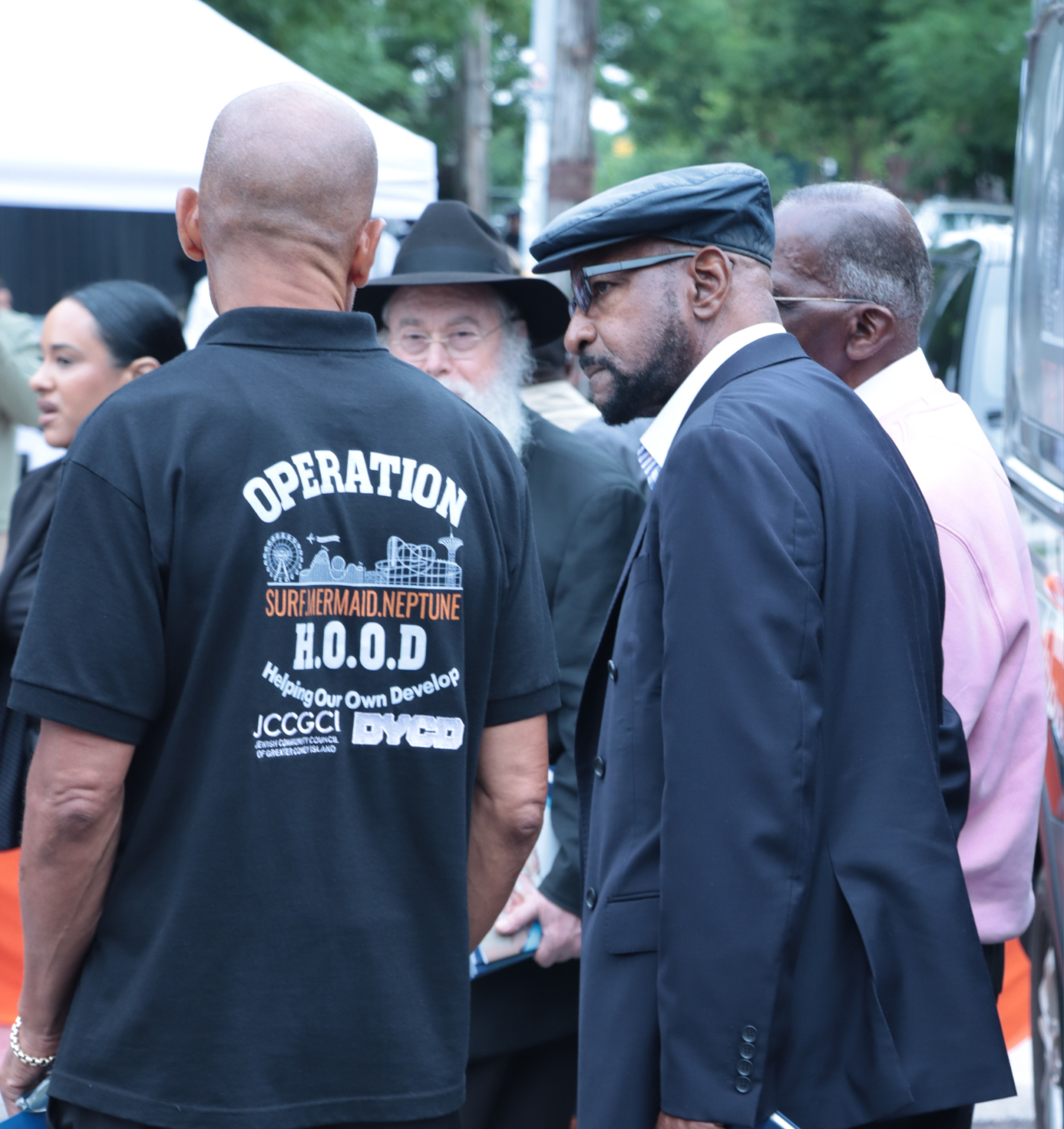
On the night of July 4, as families throughout Coney Island gathered to celebrate the holiday, gunfire tore through a family barbecue in a residential courtyard near West 30th Street and Surf Avenue, just blocks from the boardwalk where hundreds were celebrating. Eight people, including four children between the ages of six and fourteen, were shot. One young woman was critically wounded. It is the kind of night no family should ever have to endure, and in the days that followed, our hearts remained with everyone affected and with a community struggling to make sense of the senseless.
There is no program, no policy, and no statement that can undo what this family and community endured. What Operation H.O.O.D. can do, and what it remains committed to doing, is stand firmly against violence, refuse to let it go unanswered. and work every day to help ensure that a tragedy like this does not happen here again.
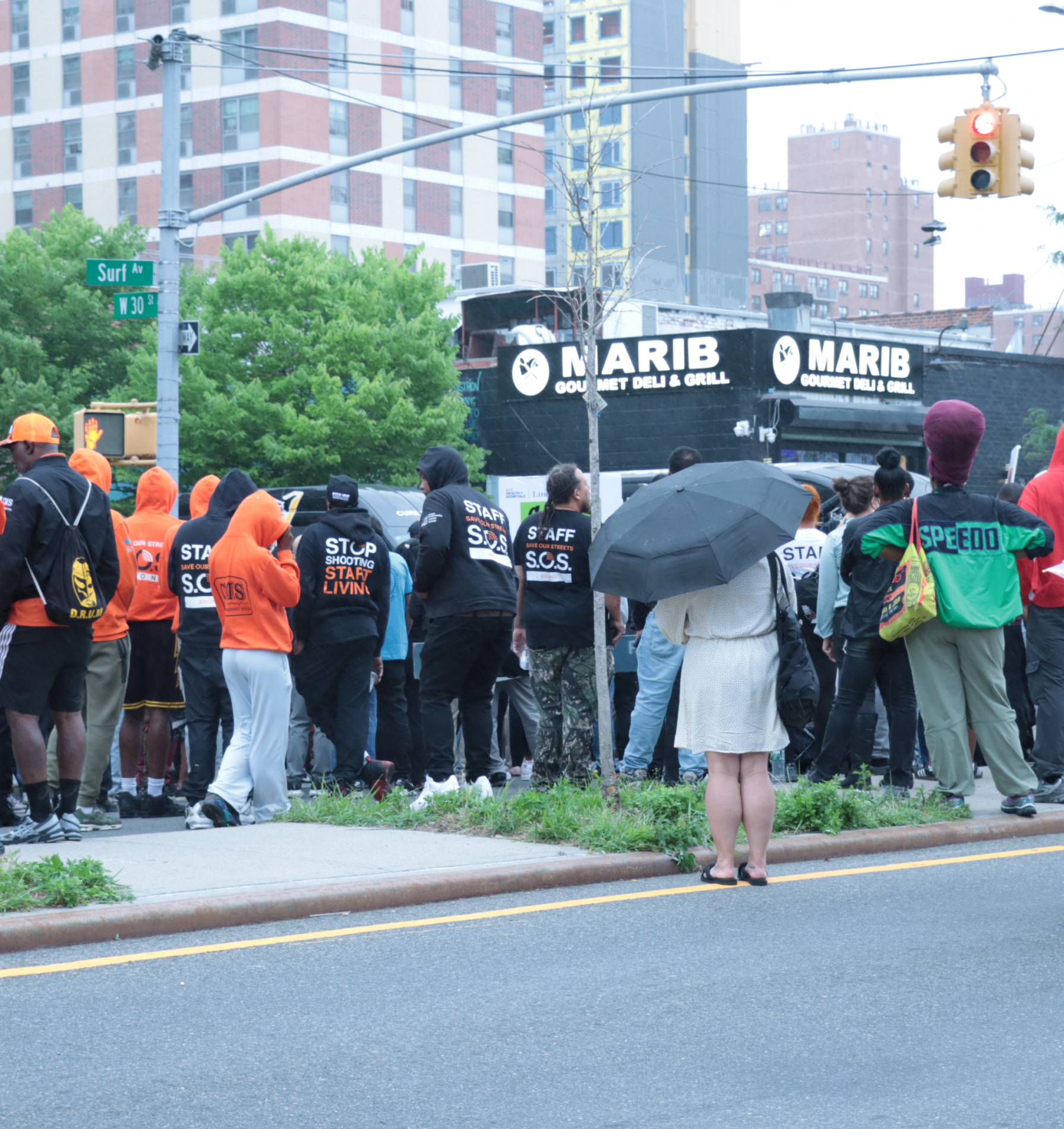
The Operation H.O.O.D. (Helping Our Own Develop) Cure Violence Initiative is JCCGCI’s community violence prevention program, focused on identifying and mediating conflict before it escalates and on changing community attitudes toward gun violence. Right in the heart of Coney Island, a team of violence interrupters and outreach workers, many of them from the community themselves, patrol the neighborhood, identifying potential conflicts and intervening early, before they have an opportunity to escalate into violence. As it has after every act of violence in this community, Operation H.O.O.D.’s team moved quickly in the hours after the shooting, doing everything possible to reduce tensions and prevent any further harm.
On July 7, JCCGCI’s Operation H.O.O.D. helped convene a Stop Gun Violence event, bringing together those affected by the incident, Crisis Management System partners, city leadership, and the broader Coney Island community. Among those who came to stand with the community and hear firsthand about the tragedy were New York City Mayor Zohran Kwame Mamdani, Brooklyn Deputy Borough President Kim Council, Public Advocate Jumaane D. Williams, Assembly Member Alec Brook-Krasny, NYC Councilmember Kayla Marie Santosuosso, Deputy Mayor for Community Safety Renita Francois, and Commissioner of the Mayor’s Office of Community Safety Dr. Ayesha Delany-Brumsey. Community leaders and residents rallied together to make their voices heard, expressing deep concern for the safety of their families and making clear that the community will not stay silent in the face of gun violence. The gathering paused for a solemn moment of silence for the victims and their families, honoring what they had endured and reaffirming the community’s commitment to standing beside them.
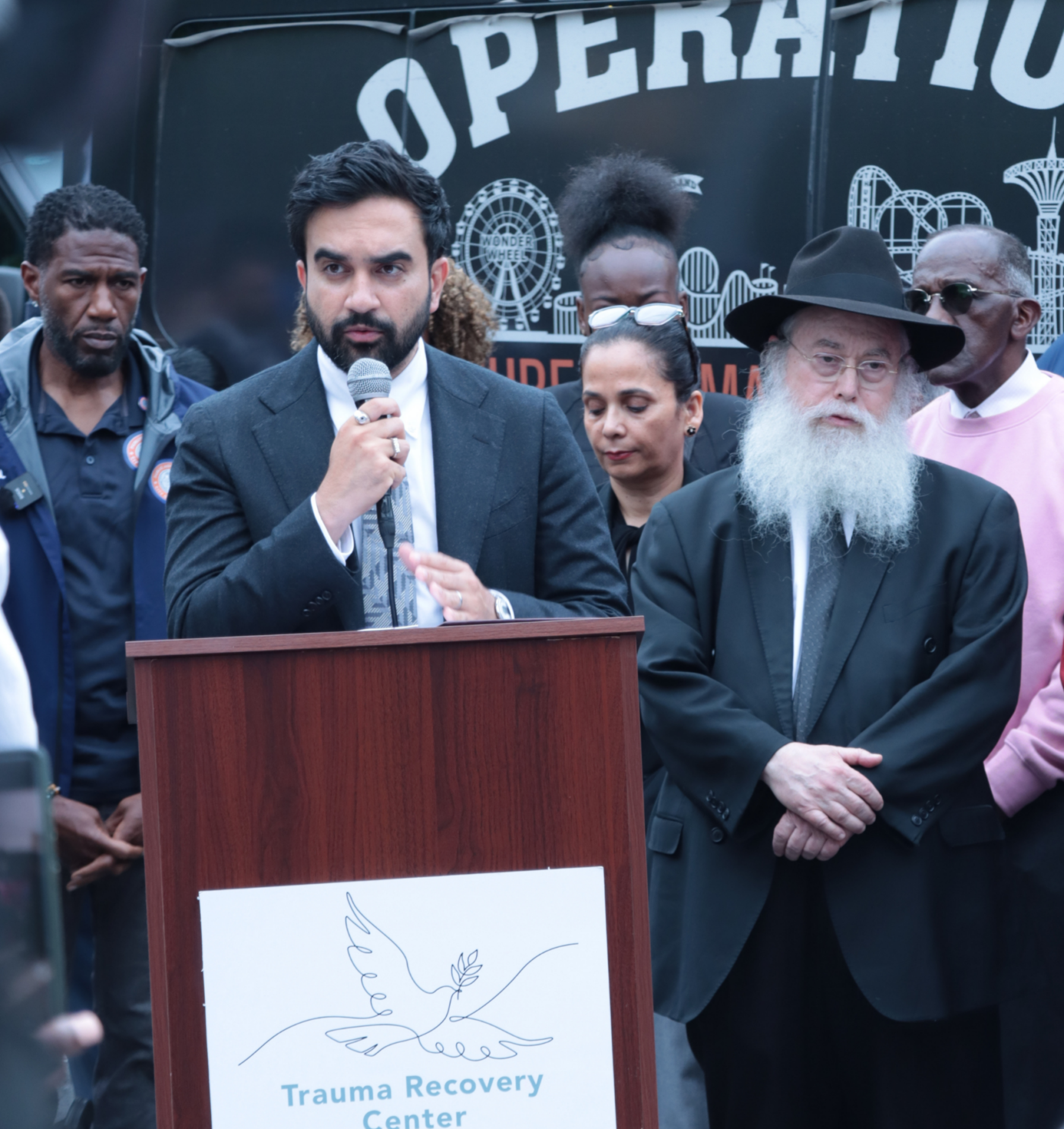
JCCGCI Executive Director Rabbi Moshe Wiener, who has led the organization’s social service work in this community for more than four decades, used the moment to urge city leaders to take meaningful action that can bring about real change, including steadier, longer-term support for community-based programs like Operation H.O.O.D. and JCCGCI’s Trauma Recovery Center, as well as renewed support for JCCGCI’s vision to establish a “Vocational Training Center” in Coney Island. For JCCGCI, the responsibility of a community-based social service agency extends beyond responding in moments of crisis: it means listening, remaining present, and speaking honestly about what the community needs to heal, thrive and remain safe.
“Healing takes more than a moment of silence,” said Rabbi Moshe Wiener. “It takes sustained support, and that is what we are asking our city leaders to provide.”
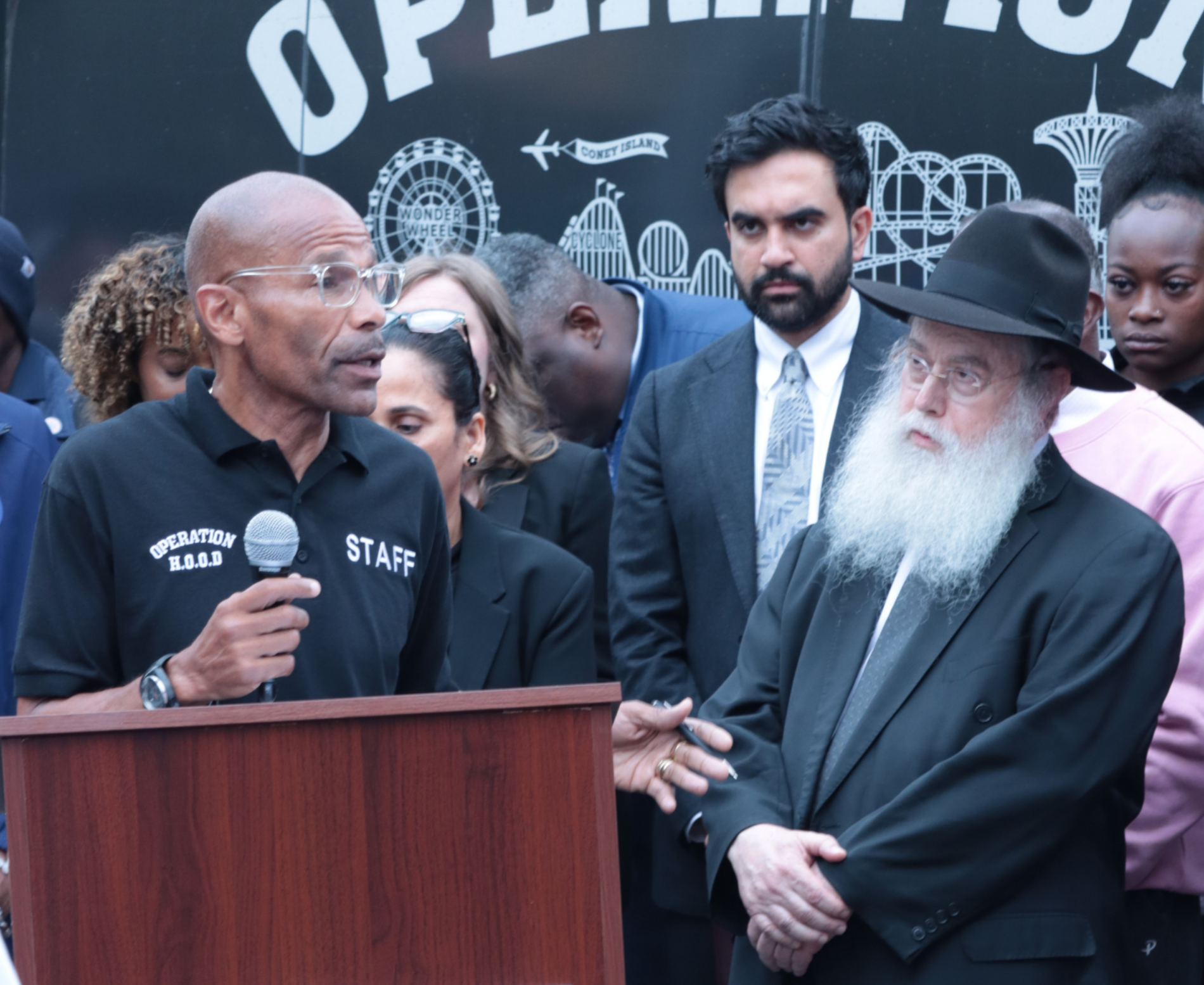
Operation H.O.O.D. follows the Cure Violence model, a public health approach that treats violence not as something inevitable, but as something that can be interrupted, one relationship and one conversation at a time. Trained violence interrupters work to de-escalate conflict before it turns deadly, engage and support people at the highest risk of violence, and help change long-held attitudes that can allow violence to become normalized within a community. None of that work is quick or easy, and none of it is accomplished by a single event or a single news cycle. It is sustained, relationship-driven work that matters deeply—and that this community cannot afford to be without.
“This isn’t work you can do from behind a desk,” said Terence Rice, Director of the Operation H.O.O.D. Coney Island Cure Violence Initiative. “You have to be present, you have to be trusted, and you have to keep showing up long after everyone else has moved on.”
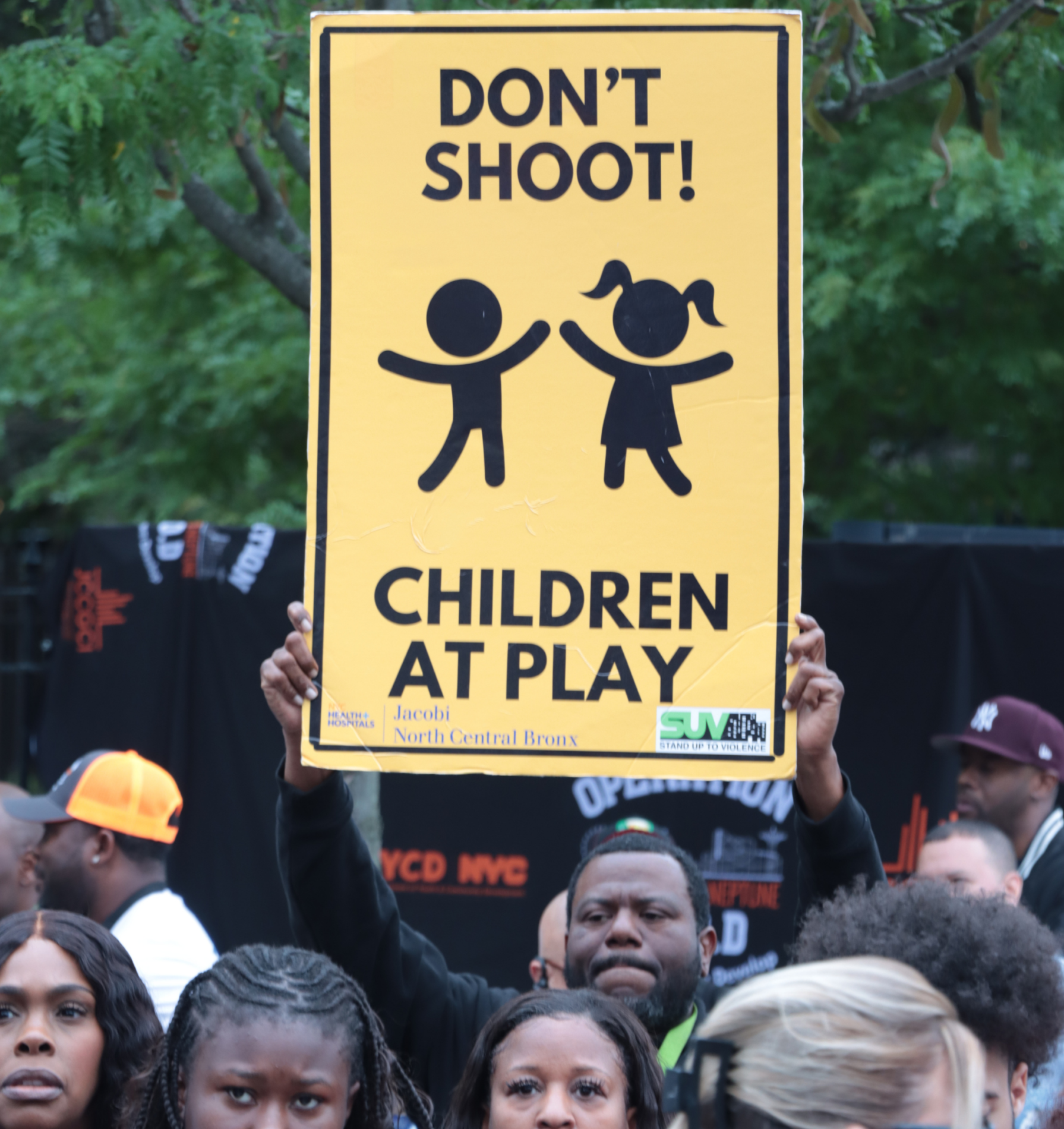
This kind of work rarely makes headlines, but it happens every day across Coney Island. Outreach workers know the families on their blocks by name. They mediate disputes, connect people to counseling and mental health support, and build the kind of trust that takes years, not weeks, to earn. On Mermaid Avenue, Operation H.O.O.D. runs a community space where young people can find mentors, structure, and a place to belong outside of school hours. It is the quiet, often unseen work of keeping a neighborhood safe, one relationship at a time.
In the days following the shooting, the NYPD arrested and charged a suspect with multiple counts of attempted murder. For Operation H.O.O.D. and JCCGCI, however, criminal accountability is only one part of the response this moment demands. The deeper commitment, and the one this community deserves, is to keep showing up long after the headlines fade, for this family, for the children still processing what they witnessed, and for a Coney Island community that should be able to celebrate its holidays in peace.
👉 Learn more about Operation H.O.O.D. and how it keeps our community strong at www.jccgci.org/programs/community-services/operation-h-o-o-d
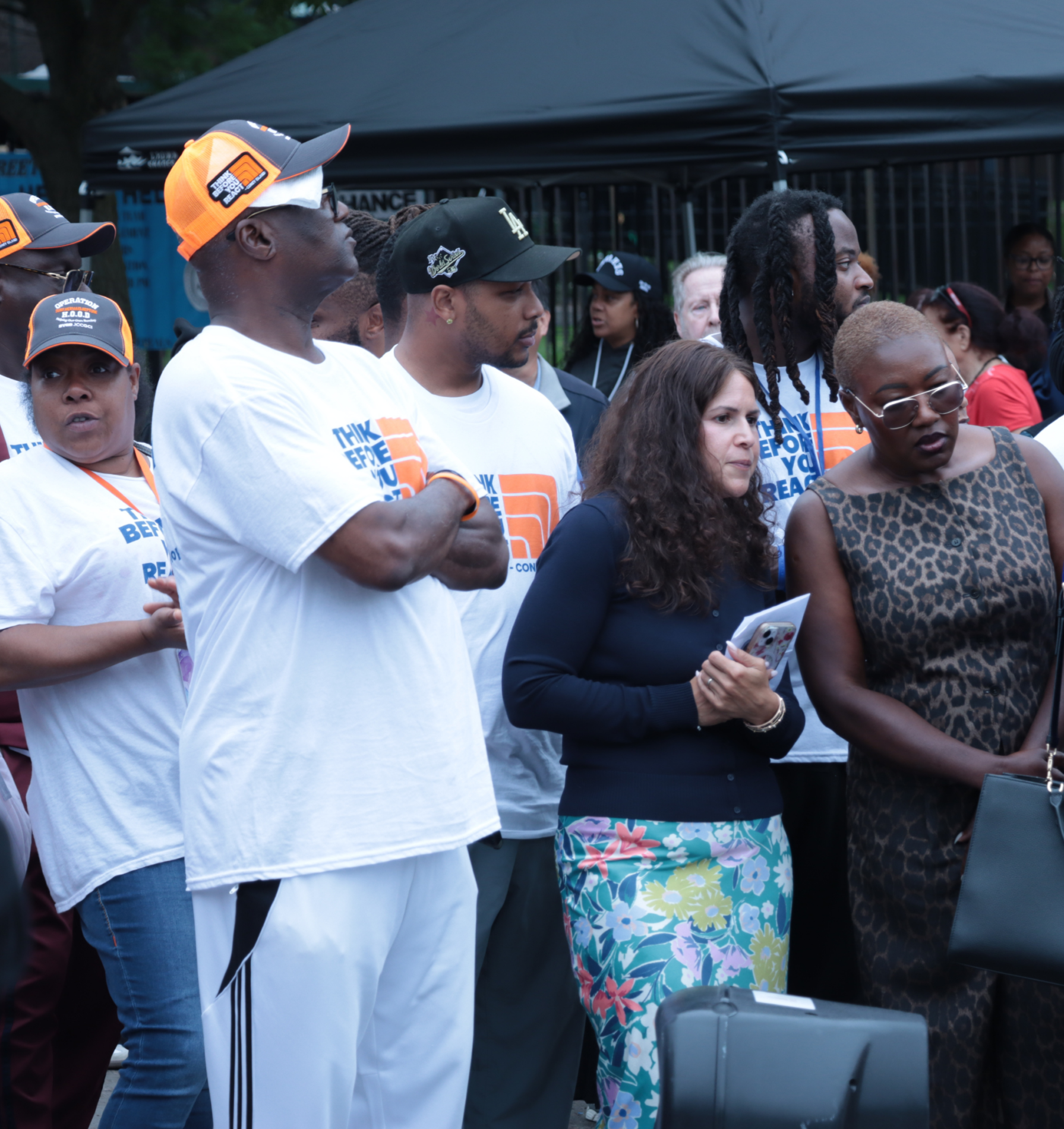
Jewish Community Council of Greater Coney Island (JCCGCI) is a community-based organization with a citywide scope, providing a wide-spectrum of older adult, career, educational, crime-reduction, mental health, community revitalization and related services benefiting all segments of the population. JCCGCI is also a technical assistance provider, offering capacity building services to nonprofits in all five boroughs through its NonProfit HelpDesk division (www.nphd.org). With 40 program sites throughout New York City staffed by almost 400 social service professionals, JCCGCI assists an average of upwards of 2,500 needy individuals and families each day.
JCCGCI’s Holocaust Survivor Support Services is one of the largest in the world, providing critical assistance to over 4,000 Holocaust Survivors annually. Services include Homecare, Transportation, Case Management, Friendly Visiting, Medicaid Appeals, Socialization, and Home Delivered Meals.
|
|
|