
JCCGCI WELCOMES DEPUTY MAYOR RENITA FRANCOIS AND COMMISSIONER DR. AYESHA DELANY-BRUMSEY TO CONEY ISLAND
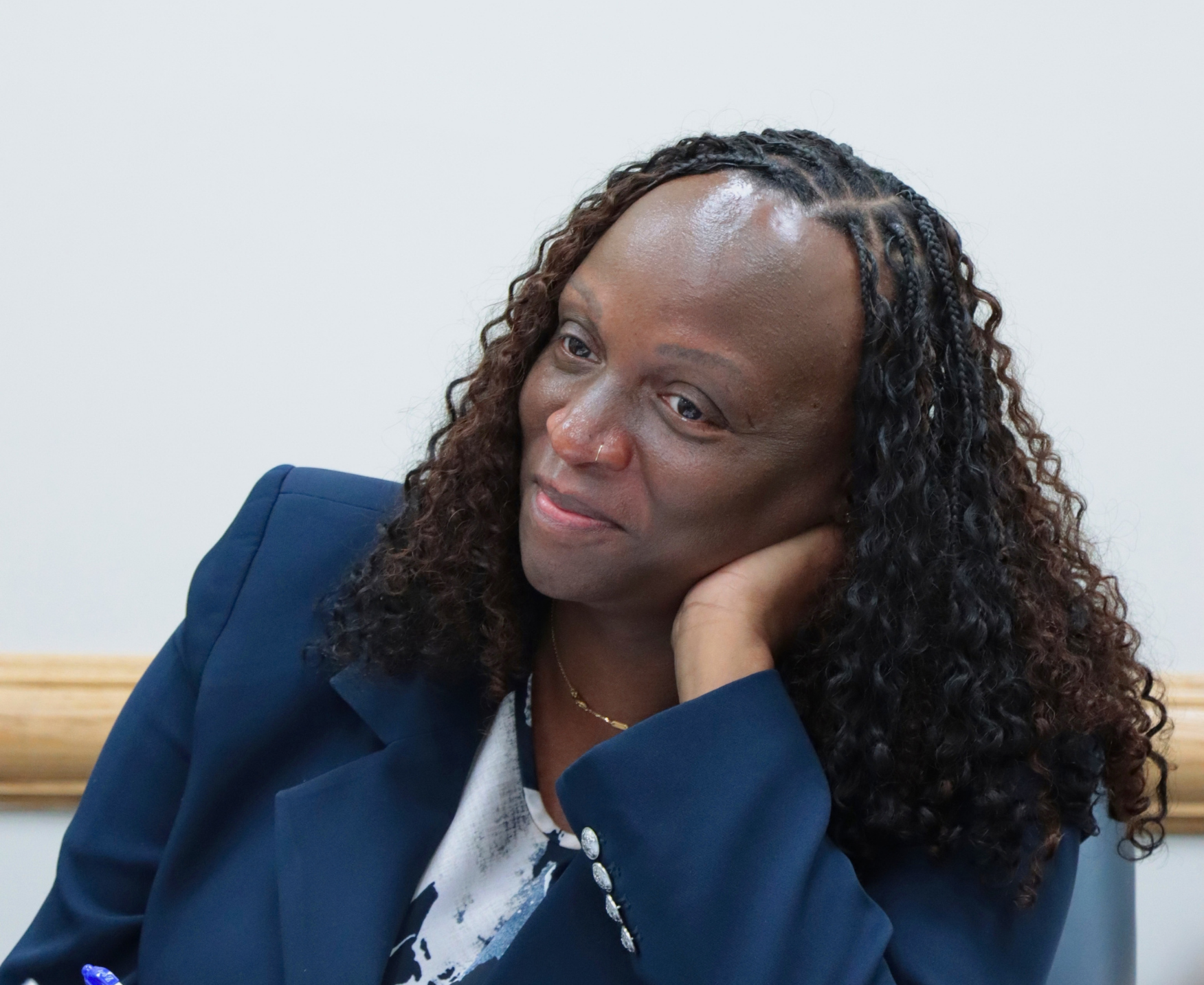
Deputy Mayor Renita Francois visits JCCGCI headquarters in Coney Island.
In Coney Island, a disagreement between young people can escalate into a confrontation with tragic consequences. Before angry words turn into violence, however, a trusted outreach worker from JCCGCI’s Operation H.O.O.D. may already be intervening—calming tensions, mediating differences, and helping those involved find a peaceful way forward. Elsewhere in the neighborhood, another outreach worker may be mentoring a young person at risk, offering guidance, encouragement, and alternatives to violence.
These interventions rarely make headlines because their greatest successes are the tragedies that never occur. They reflect a fundamental principle of community safety: preventing violence is far better than responding after lives have been shattered. Through trusted relationships, sustained engagement, and compassionate intervention, JCCGCI’s Operation H.O.O.D. works alongside the agency’s youth development, mental health, and other supportive programs to address conditions that contribute to violence and build safer, stronger communities.
Such prevention-oriented efforts depend on sustained investment, strong partnerships, and meaningful collaboration with City leadership.
Against this backdrop, the Jewish Community Council of Greater Coney Island (JCCGCI) was especially honored to welcome Deputy Mayor for Community Safety Renita Francois and Mayor’s Office of Community Safety Commissioner Dr. Ayesha Delany-Brumsey to its Coney Island headquarters on Wednesday, October 7, 2026. The visit provided an opportunity for substantive discussion of community safety, unmet needs, and ways to strengthen JCCGCI’s violence prevention, early intervention, and comprehensive social services.
They were accompanied by Hailey Nolasco, MPA, Deputy Chief of Staff in the Office of the Deputy Mayor for Community Safety, further underscoring the administration’s commitment to direct engagement with community-based providers.
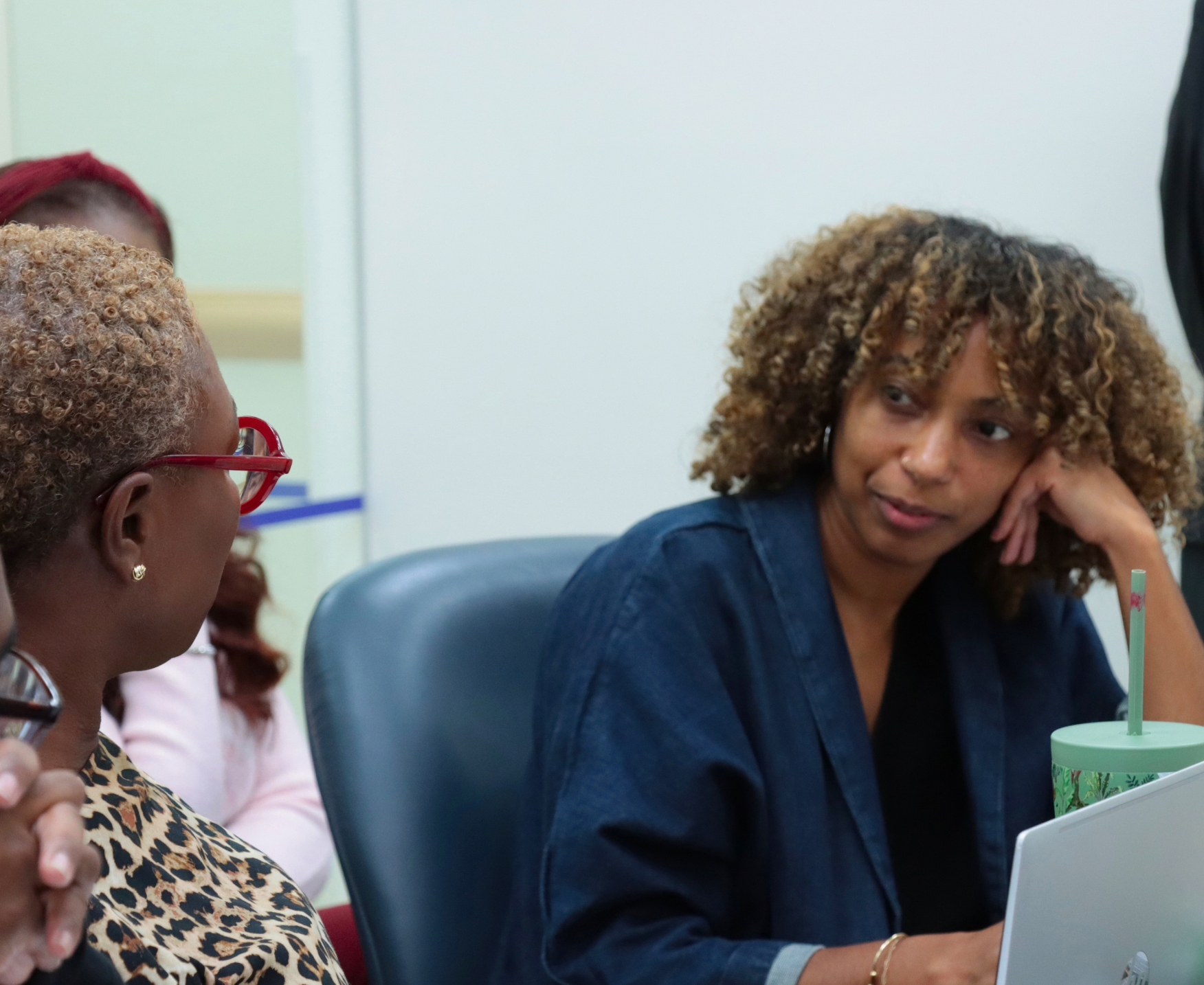
Commissioner Dr. Ayesha Delany-Brumsey speaks with Dr. Dulande Louis, founding director of JCCGCI’s Trauma Recovery Center, about community needs.
We were deeply grateful for the time our distinguished guests devoted to hearing directly from our staff and for the open, candid, and constructive discussion of challenges confronting the communities we serve.
Their attentiveness, empathy, and sensitivity to the concerns raised by program directors and frontline workers made the visit especially meaningful. Their recognition of the dedication and personal sacrifices of staff members—who frequently go well beyond the requirements of their positions to help vulnerable New Yorkers—offered invaluable encouragement and renewed inspiration.
JCCGCI’s leadership and staff participated enthusiastically. The conference room was filled to capacity with program directors and staff eager to share firsthand accounts of their work, the challenges facing those they serve, and opportunities to expand essential services through stronger City support.
Numerous members of JCCGCI’s Operation H.O.O.D. Cure Violence team also stopped by to greet the Deputy Mayor and Commissioner personally. Their presence reflected pride in their work and appreciation for the opportunity to engage with City leaders whose policies and support affect the neighborhoods they serve.
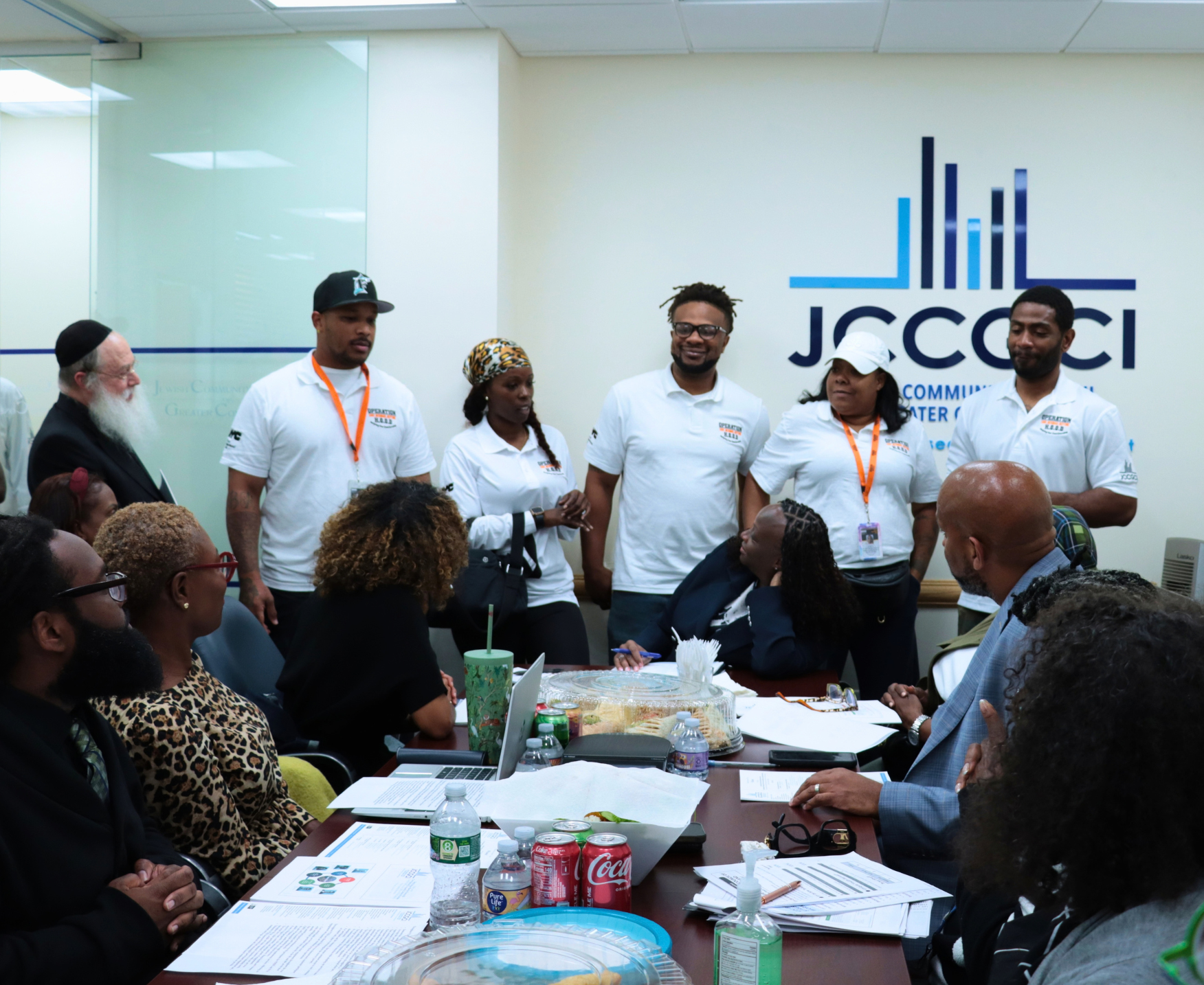
Members of JCCGCI’s Operation H.O.O.D. team share their experiences in community-based violence prevention with Deputy Mayor Francois and Commissioner Delany-Brumsey.
The meeting opened with members of JCCGCI’s Operation H.O.O.D. Cure Violence program describing their community-based violence prevention work. Drawing on firsthand experience in Coney Island, they explained how trusted relationships, conflict mediation, outreach to individuals at risk, and sustained engagement with young people and families affected by trauma strengthen public safety.
Their experiences highlighted the importance of addressing conditions that contribute to violence, rather than relying solely on responses after incidents occur.
JCCGCI Executive Director Rabbi Moshe Wiener formally welcomed Deputy Mayor Francois and Commissioner Delany-Brumsey and expressed appreciation for their commitment to community safety and direct engagement with frontline providers.
Rabbi Wiener outlined JCCGCI’s vision for strengthening its network of community-based services while highlighting funding constraints and other challenges that limit its ability to meet the growing needs of vulnerable individuals and families.
Program directors then delivered compelling presentations on the impact of key JCCGCI initiatives and the urgent need to preserve and strengthen the resources on which their participants depend.
Among the initiatives highlighted were JCCGCI’s NYC Department of Probation-funded Works Plus program, providing job readiness training and support to individuals facing significant employment barriers; the NYC Department of Youth and Community Development’s Crisis Management System Y.E.S. (Youth Empowerment Service) program, engaging vulnerable young people through mentoring and constructive alternatives to violence; JCCGCI’s Trauma Recovery Center, funded by the New York City Council and administered by the NYC Department of Health and Mental Hygiene, providing trauma-informed therapeutic and supportive services to people affected by violence and other traumatic experiences; and the New York State Education Department-funded Extended School Day/School Violence Prevention (ESD/SVP) program, promoting safe, supportive school environments through enrichment, positive youth development, and violence prevention activities.
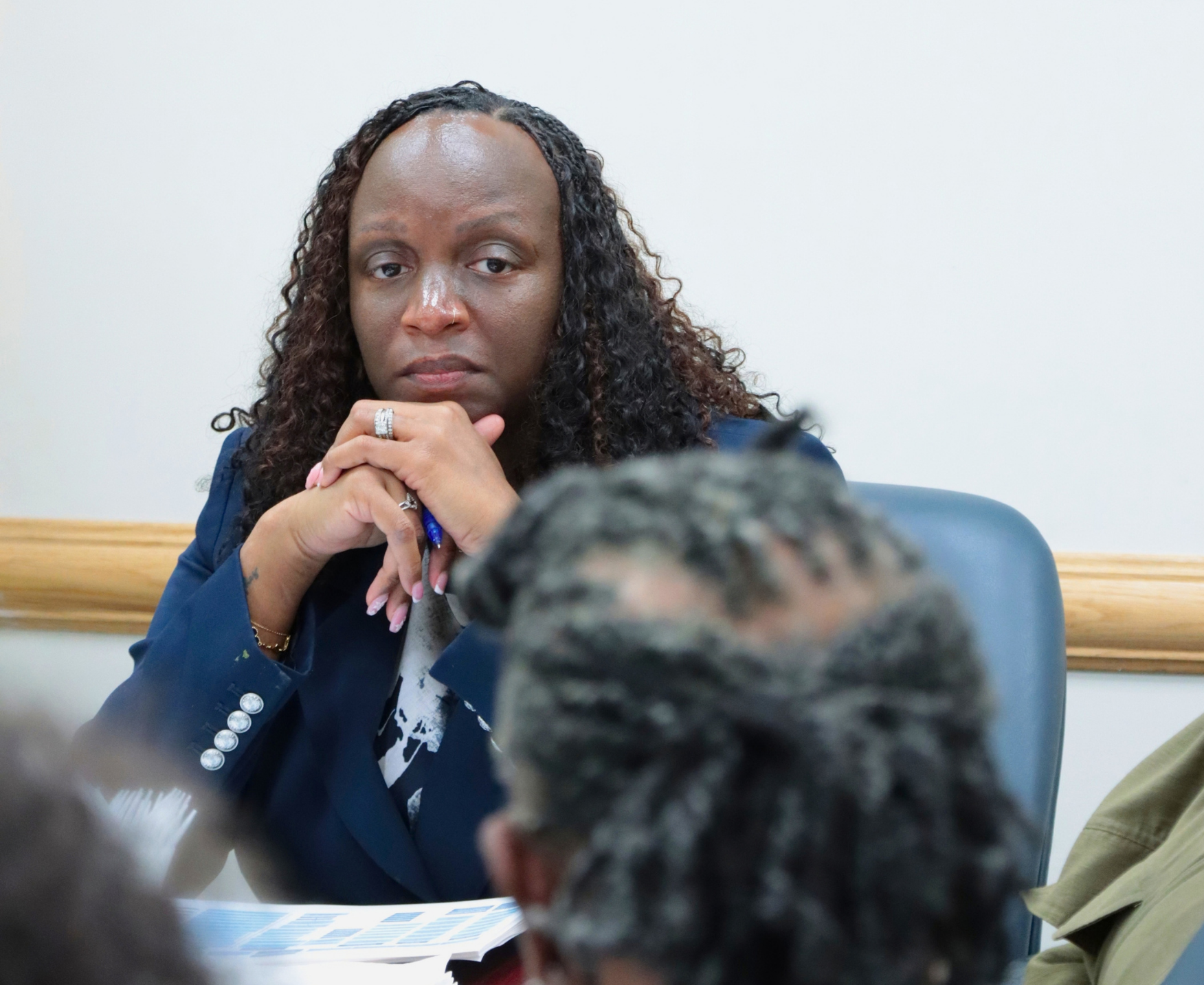
Deputy Mayor Francois listens attentively to the concerns and recommendations of Linda Smith, Director of Connections to Care: Building Resiliency in Youth Program.
Despite serving different populations and addressing distinct needs, these programs share a mission: preventing crises, reducing vulnerability, strengthening resilience, and helping individuals and families achieve greater stability and opportunity. The presentations conveyed both the directors’ professional expertise and their deep personal commitment to those they serve.
The discussion then turned to Coney Island’s young people. JCCGCI program directors explained that funding reductions have limited essential youth development services, including after-school programs, mentoring, mental health counseling, and other supports that keep young people constructively engaged beyond the school day.
They described the painful reality of growing demand amid insufficient resources, which can prevent even the most dedicated staff from providing the assistance that young people and families urgently need.
A particularly meaningful contribution came from Qadir Dixon, Principal of P.S. 288 in Coney Island. He shared his firsthand perspective on the vital role JCCGCI’s services play in his school’s success, illustrating how community partnerships help schools address students’ complex social, emotional, and developmental needs.
Principal Dixon’s remarks underscored an essential reality: schools cannot address every challenge confronting their students alone. Partnerships with trusted organizations such as JCCGCI provide a critical support network that helps students remain engaged, build positive relationships, overcome obstacles, and succeed academically and personally.
These supportive relationships are fundamental to community safety. With safe, structured environments and trusted mentors who recognize their potential, young people are better equipped to make positive choices, avoid dangerous influences, and pursue educational and career opportunities.
Investing in these protective factors is not only an investment in youth development; it is central to effective, sustainable violence prevention.
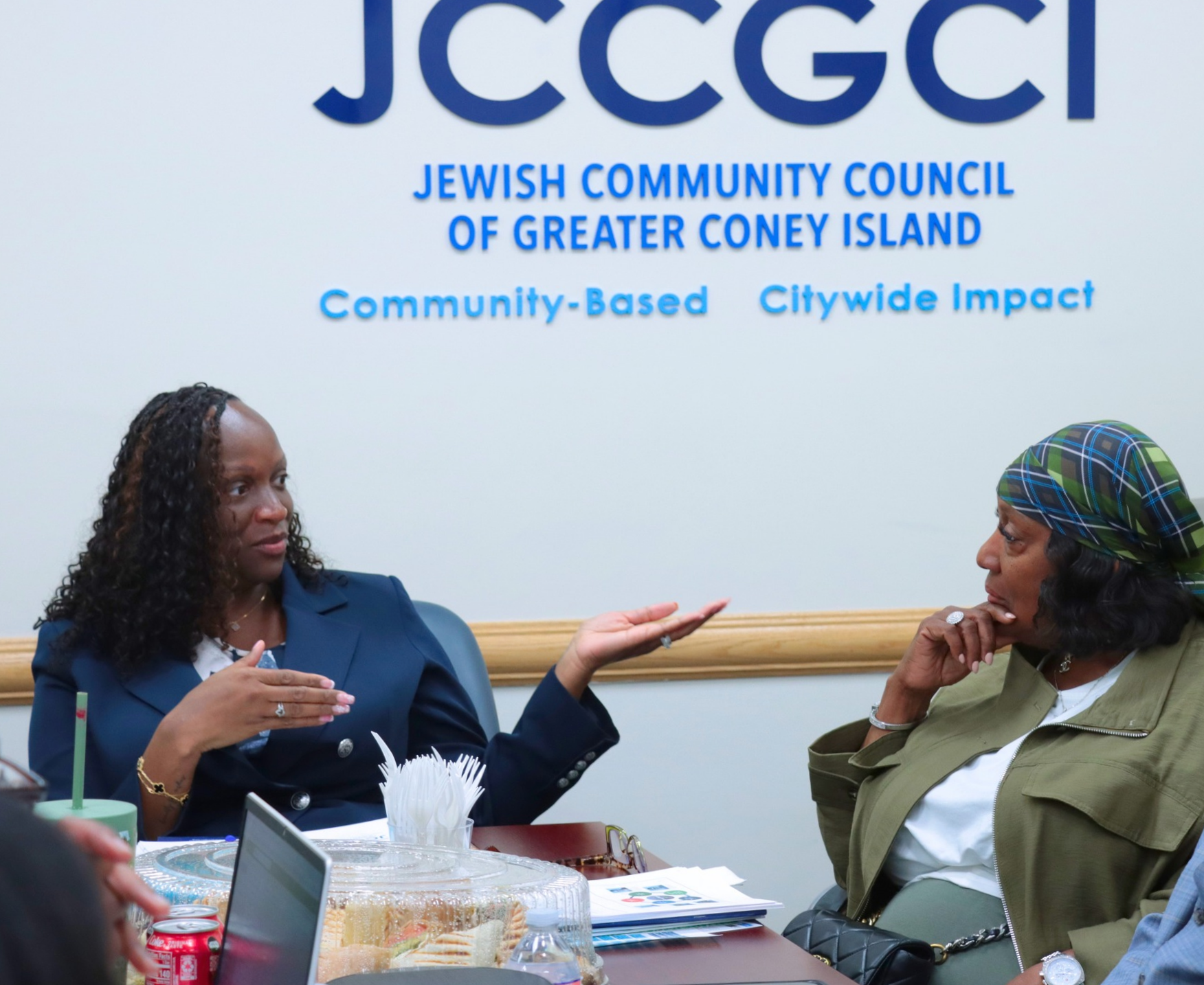
Deputy Mayor Francois engages in discussion with Diane Martinez, Director of JCCGCI’s school-based programs in Coney Island.
As the presentations concluded, Deputy Mayor Francois thanked the program directors for their candor and dedication and reflected on the importance of addressing the underlying causes of violence.
She observed that public policy has too often focused on responding to violence after it occurs, rather than sufficiently investing in prevention.
Addressing root causes, she emphasized, requires sustained investment in trusted community-based programs that engage young people early, offer constructive alternatives, strengthen families, and create pathways to stability and opportunity.
Her remarks reinforced the value of JCCGCI initiatives that address social, emotional, and economic challenges placing individuals and communities at risk.
The discussion revealed an encouraging shared perspective: lasting community safety depends not on law enforcement alone, but also on proactive, compassionate, neighborhood-based interventions that prevent violence before it occurs.
As the meeting concluded, our guests and staff gathered for a group photograph and continued their conversations in a warm, collegial atmosphere.
For JCCGCI, the visit demonstrated the value of direct engagement between senior government officials and the community-based organizations and frontline professionals who translate public policy into meaningful assistance for New Yorkers in need.
“When City leaders engage directly with organizations and frontline professionals who understand our neighborhoods and the challenges facing their residents,” said JCCGCI Executive Director Rabbi Moshe Wiener, “we can work together more effectively toward our shared mission: ensuring that vulnerable New Yorkers receive the support, opportunities, and compassionate services they need to live safer, healthier, and more fulfilling lives.”
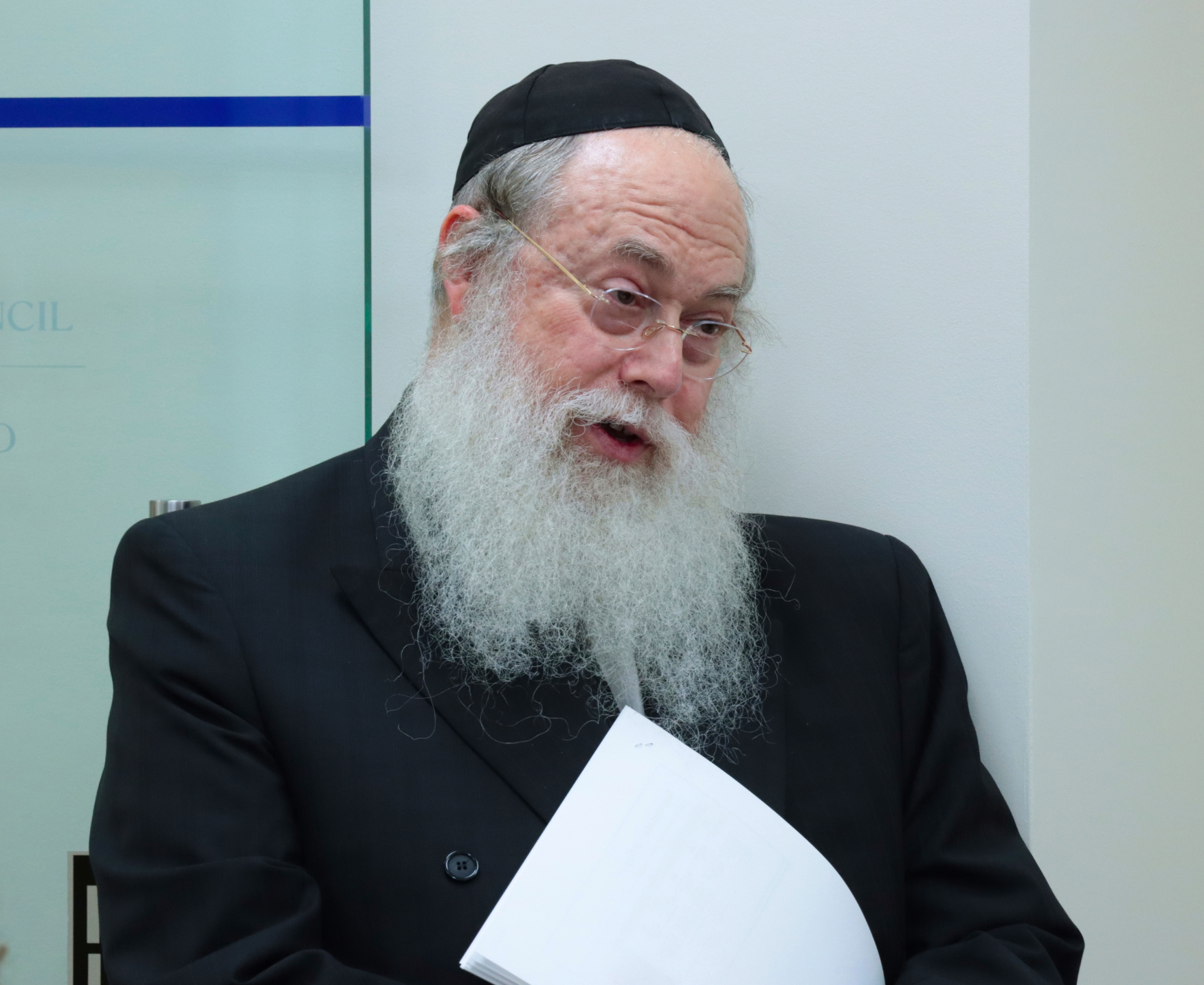
JCCGCI Executive Director Rabbi Moshe Wiener discusses the agency’s community service priorities with Deputy Mayor Francois.
We extend heartfelt appreciation to Deputy Mayor Francois, Commissioner Delany-Brumsey, Deputy Chief of Staff Hailey Nolasco, and their team for honoring JCCGCI with their visit, listening attentively to our frontline staff, and demonstrating such empathy, sensitivity, and commitment to prevention-oriented community safety.
We are equally grateful to our dedicated program directors and staff, whose tireless efforts and exceptional personal commitment help prevent tragedies, restore hope, and create opportunities for vulnerable New Yorkers every day. We also thank Principal Qadir Dixon for joining us and eloquently affirming the importance of JCCGCI’s partnership with P.S. 288 and the broader Coney Island educational community.
We look forward to deepening our collaboration with City leadership in pursuit of a shared vision of community safety—one in which young people receive support before a crisis, conflicts are resolved before they escalate, and government and community organizations work together for a safer, more promising future for all New Yorkers.
We also hope to welcome Deputy Mayor Francois and Commissioner Delany-Brumsey back to Coney Island soon, particularly to JCCGCI’s Operation H.O.O.D., Trauma Recovery Center, and Urban Neighborhood Services facilities on Mermaid Avenue, where they can see firsthand the commitment of our staff and the impact of these vital programs.
Ultimately, the greatest measure of community safety is not simply how effectively we respond to violence, but how many tragedies we prevent before they occur.
👉 Want to learn more about how JCCGCI supports New York communities? Visit https://www.jccgci.org/programs/community-services/
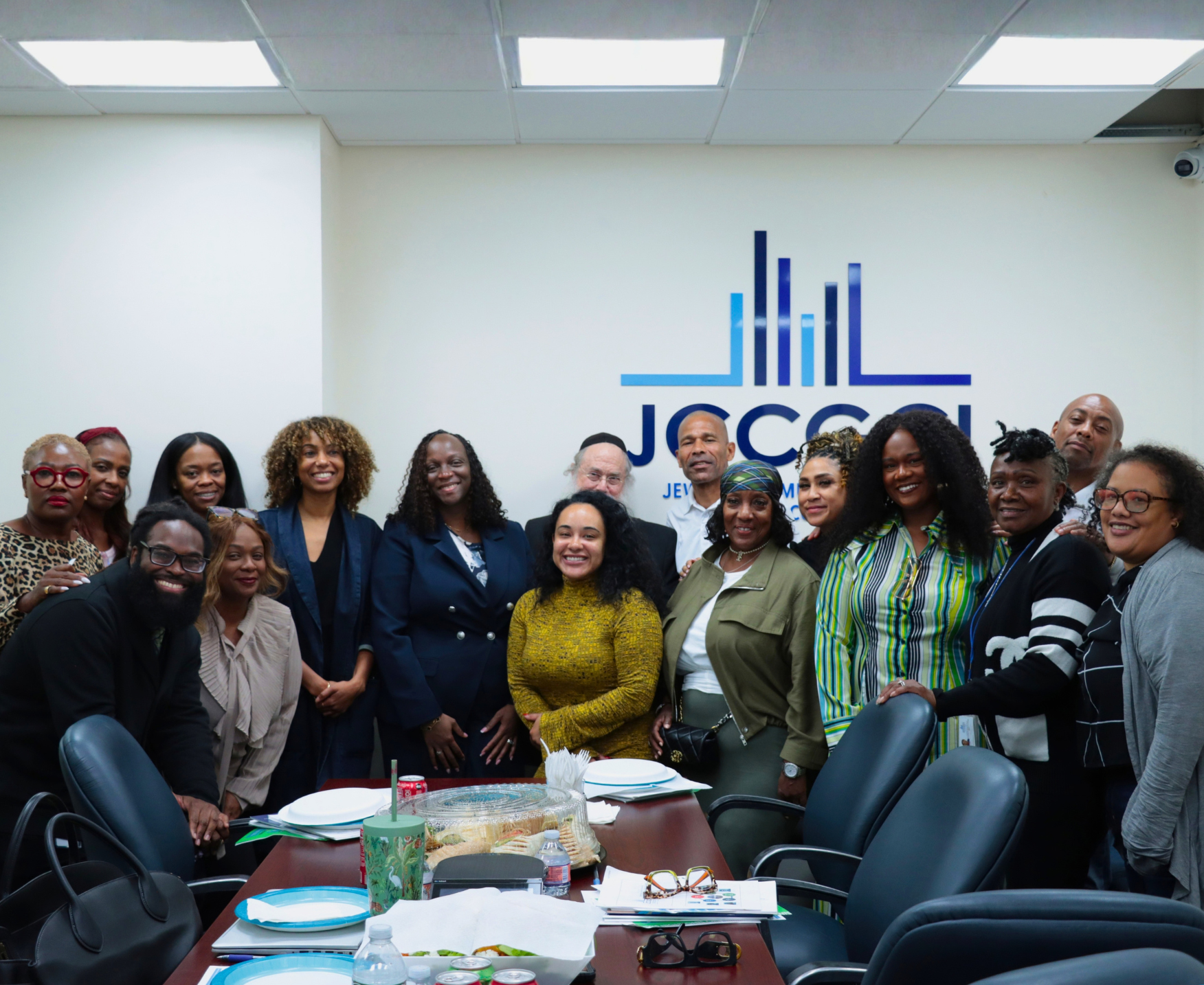
Deputy Mayor Renita Francois, Commissioner Dr. Ayesha Delany-Brumsey, Deputy Chief of Staff Hailey Nolasco, and members of JCCGCI’s leadership and program staff gather following their meeting at JCCGCI headquarters in Coney Island.
ABOUT JCCGCI
Jewish Community Council of Greater Coney Island (JCCGCI) is a community-based organization with a citywide scope, providing a wide-spectrum of older adult, career, educational, crime-reduction, mental health, community revitalization and related services benefiting all segments of the population. JCCGCI is also a technical assistance provider, offering capacity building services to nonprofits in all five boroughs through its NonProfit HelpDesk division (www.nphd.org). With 40 program sites throughout New York City staffed by almost 400 social service professionals, JCCGCI assists an average of upwards of 2,500 needy individuals and families each day.
JCCGCI’s Holocaust Survivor Support Services is one of the largest in the world, providing critical assistance to over 4,000 Holocaust Survivors annually. Services include Homecare, Transportation, Case Management, Friendly Visiting, Medicaid Appeals, Socialization, and Home Delivered Meals.
|
|
|